- High‑quality low‑carb and low‑fat diets, rich in whole plant foods and healthy fats, are linked to a markedly lower risk of coronary heart disease.
- When carbs or fats are cut but replaced with refined products and unhealthy animal fats, cardiovascular risk can actually rise.
- Long‑term data from about 200,000 adults over three decades show that diet quality explains the difference between protective and harmful low‑carb/low‑fat patterns.
- Prioritising whole grains, fruits, vegetables, legumes, nuts, seeds and unsaturated fats supports better blood lipids and long‑term heart protection.
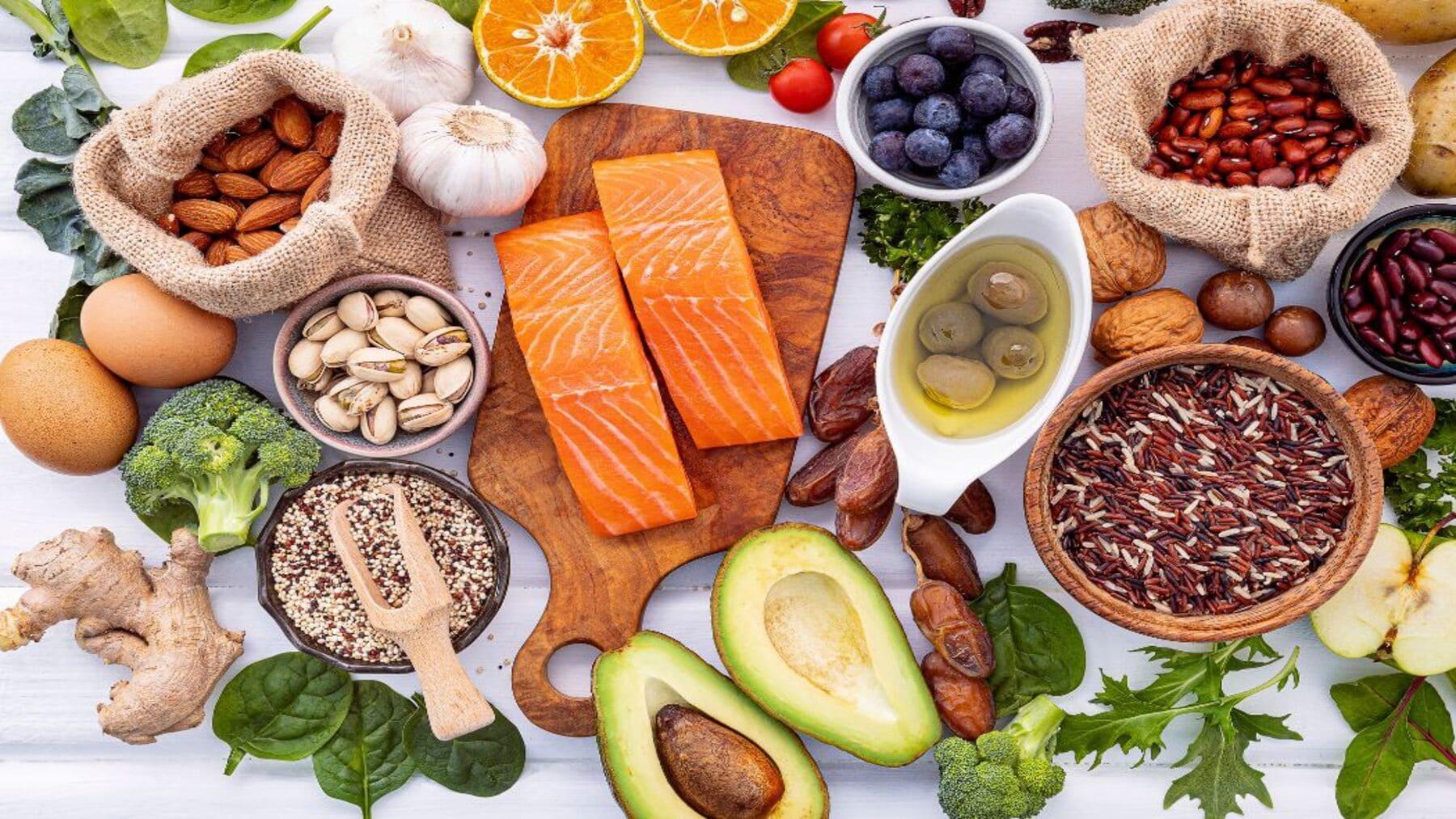
In recent years, cutting carbohydrates or trimming fat has become a go‑to strategy for people who want to lose weight fast or improve their metabolic health. Yet a growing body of research suggests that simply lowering one macronutrient is not what really protects the heart. What matters far more is the quality of the carbohydrates and fats that replace what you cut.
Several large studies led by researchers at Harvard and other institutions now point in the same direction: high‑quality low‑carb and low‑fat diets can lower cardiovascular risk, while versions of those same diets built around refined carbohydrates and unhealthy animal fats may even push the risk of coronary heart disease up. In other words, the label “low‑carb” or “low‑fat” tells you very little unless you also know what the diet is actually made of.
Low‑carb diets: why cutting carbs is only half the story

Low‑carb eating patterns have been around for decades, from early obesity research in the 1950s to the popularisation of the Atkins diet in the 1970s. Modern reviews still find that reducing total carbohydrate intake can support weight loss, often slightly outperforming traditional low‑fat or even Mediterranean approaches in the short to medium term.
At the same time, clinicians who specialise in obesity and internal medicine are cautious about recommending very strict low‑carb plans as a long‑term lifestyle. Some, like physicians involved in culinary medicine programmes, point out that it is hard to avoid carbohydrates for extended periods without compromising overall diet quality, especially if people end up relying on large amounts of meat and cheese in place of grains, fruits and legumes.
Evidence reviews, including analyses published in the early 2020s, indicate that low‑carb patterns can help people with type 2 diabetes by improving blood sugar control and promoting weight loss. Leading diabetes organisations even recognise lower‑carbohydrate diets as an option for improving fasting glucose, blood pressure, triglycerides and HDL (“good”) cholesterol. But these potential benefits hinge crucially on what replaces the missing carbs.
When starchy vegetables, fruits, pulses and whole grains are heavily restricted, people often lose not just calories but also fibre, vitamins and protective phytochemicals. Reviews from 2019 and beyond highlight that some low‑carb regimes encourage significant intakes of red and processed meat, butter and cream, increasing saturated fat consumption. That pattern has been repeatedly linked to a higher likelihood of type 2 diabetes and cardiovascular disease.
Researchers such as Frank Hu at the Harvard T.H. Chan School of Public Health have instead documented that a diet with modestly lower total carbohydrates but higher proportions of whole grains and plant proteins can help with weight control over the long haul while supporting heart health. In this scenario, carbohydrates are not eliminated but upgraded in quality.
Not all carbohydrates are created equal

One of the core criticisms of the term “low‑carb diet” is that it tends to lump every source of carbohydrate together. In practice, there are major differences between minimally processed foods such as berries, sweet potatoes or brown rice and refined products like sugary drinks, pastries or white bread.
Unrefined carbohydrate sources generally take longer to digest. Their starches and fibres are packaged in intact plant structures, which slows the release of glucose into the bloodstream. Refined carbohydrates, by contrast, are quickly broken down, producing sharper and more frequent spikes in blood sugar. Over time, those repeated surges can promote insulin resistance and increase the risk of obesity and type 2 diabetes.
For that reason, nutrition experts consistently recommend limiting refined grains and added sugars—think soft drinks, sweetened breakfast cereals, cakes and many ultra‑processed snacks—while encouraging generous intakes of fruits, vegetables, legumes and whole grains. These foods are rich in dietary fibre, which most people fail to consume in adequate amounts.
Fibre does much more than aid digestion. Higher fibre intake is linked to lower incidence of type 2 diabetes and major chronic diseases, supports a healthier gut microbiota and slows gastric emptying, which can improve satiety and help with weight management. Whole plant foods also provide minerals, antioxidants and other bioactive compounds associated with better immune function, reduced cancer risk and improved cardiovascular outcomes.
Harvard‑led work on dietary patterns has found that even within a low‑carb framework, emphasising whole‑grain carbohydrates and other plant‑based foods can be associated with less long‑term weight gain and lower cardiovascular risk than low‑carb diets built around refined grains and animal products.
Inside the Harvard study: 200,000 people and three decades of data
New analyses from the Harvard T.H. Chan School of Public Health and collaborators offer one of the most detailed looks so far at how low‑carb and low‑fat diets relate to coronary heart disease when diet quality is taken into account. The research, published in the Journal of the American College of Cardiology, drew on data from roughly 200,000 health professionals followed for more than 30 years in large U.S. cohort studies.
Participants regularly reported their eating habits, allowing researchers to distinguish between “healthy” and “unhealthy” versions of low‑carb and low‑fat diets. The investigators also considered other health and lifestyle factors and analysed blood samples from over 11,000 individuals to identify biomarkers linked to cardiovascular risk.
When the team examined outcomes, they observed that low‑carb and low‑fat diets were not inherently heart‑protective. Protection appeared only when the diets were built from high‑quality foods: whole grains, fruits, vegetables, nuts, seeds, legumes and mainly unsaturated fats, with limited animal products and refined carbohydrates.
In those higher‑quality versions, both low‑carb and low‑fat patterns correlated with about a 15% lower risk of coronary heart disease. However, when the same macronutrient ratios were achieved by relying on refined carbohydrates, processed meats and other less healthy animal products, the pattern flipped: cardiovascular risk was higher, in some analyses rising by roughly the same order of magnitude.
Lead author Zhiyuan Wu summarised the central message bluntly: it is not just about cutting carbs or cutting fat. The decisive factor is the overall quality of the foods chosen to meet those targets. Co‑authors, including Qi Sun, stressed that these findings help dispel the notion that adjusting macronutrient percentages alone is inherently beneficial for the heart.
Low‑fat diets: when “less fat” is not automatically better
Low‑fat diets, like their low‑carb counterparts, have been popular for decades as a way to manage body weight and cardiovascular risk. Yet the Harvard analysis shows that simply reducing total fat does not guarantee heart protection. What matters is whether the remaining diet centres on whole, minimally processed foods and healthy fats.
In the study, low‑fat patterns that focused on whole grains, pulses, vegetables, fruits and modest amounts of unsaturated fats—such as those found in olive oil, nuts, seeds and avocados—were associated with fewer coronary events and more favourable lipid profiles. People following these patterns tended to have higher levels of HDL cholesterol and lower triglycerides.
By contrast, low‑fat diets that replaced fats with refined starches and sugars performed poorly. When fat was removed but calories were made up with white bread, sugary snacks and ultra‑processed foods, cardiovascular risk did not improve and in some cases appeared to worsen. These results echo earlier concerns that the “fat‑free” craze of past decades encouraged a surge in highly refined, low‑nutrient products rather than genuinely healthier eating.
From a practical standpoint, this means that a low‑fat yogurt sweetened heavily with sugar, or fat‑free biscuits made from refined flour, are unlikely to provide the cardiovascular benefits people expect from a “low‑fat” label. The quality of both the remaining carbohydrates and the limited fats is what truly counts.
The role of fats, proteins and plant‑based choices
The Harvard‑linked research also looked beyond carbohydrates, paying close attention to the types of fats and proteins people consumed. Diets rich in unsaturated fats from plant sources—including olive oil, rapeseed oil, nuts, seeds and avocados—were consistently associated with better cardiovascular markers.
These unsaturated fats appear to help maintain healthier arterial function and lipid profiles, supporting higher HDL cholesterol and lower triglyceride levels. On the other hand, higher intakes of saturated and trans fats, often coming from red and processed meats, butter, cream and many industrial baked goods, were linked to a greater risk of type 2 diabetes and heart disease.
The quality filter was also applied to protein. Patterns that relied more heavily on plant‑based proteins, such as beans, lentils, soy foods and nuts, tended to show more favourable cardiovascular outcomes than those centred predominantly on animal proteins. At the same time, experts note that heart‑healthy diets do not necessarily require complete avoidance of animal foods; rather, they encourage shifting the balance toward plant sources.
Nutrition specialists interviewed about the findings emphasised that a balanced approach can be adapted to personal preferences. Including fish, poultry or moderate amounts of dairy can fit within a cardioprotective pattern, as long as the overall diet still prioritises whole, minimally processed plant foods and unsaturated fats over refined carbohydrates and high‑fat animal products.
Biomarkers, metabolomics and what they reveal about heart risk
An important aspect of the Harvard‑associated work is the use of advanced techniques, including metabolomic analyses of blood samples, to corroborate self‑reported food intake. Traditional food‑frequency questionnaires can be prone to memory errors or misreporting, so having objective biological markers strengthens the conclusions.
By examining blood from over 11,000 participants, researchers identified metabolic signatures that lined up with the observed dietary patterns. Individuals who followed higher‑quality low‑carb or low‑fat diets tended to show favourable biomarker profiles, such as higher HDL cholesterol and lower triglycerides, both of which are associated with lower cardiovascular risk.
One notable finding was the increased presence of hippuric acid among people who consumed more fruits and vegetables. This compound has been linked to the metabolism of polyphenols found in plant foods and may signal a diet rich in protective phytochemicals. Its higher levels matched the lower incidence of coronary events in groups adhering to plant‑forward patterns.
These biomarker results offer additional reassurance that the reported food choices were reflected in participants’ biology. They also underscore that quality‑focused low‑carb and low‑fat diets do more than change weight; they appear to influence underlying metabolic pathways that are important for heart health.
Weight loss, blood sugar and sustainable eating patterns
Beyond heart disease, low‑carb and low‑fat diets are often adopted to manage body weight and blood sugar. Reviews up to 2024 show that lower‑carb approaches can produce somewhat greater short‑term weight loss than Mediterranean or traditional low‑fat patterns, although all three strategies typically lead to weight reduction when calories are controlled.
For people with type 2 diabetes, reducing carbohydrate intake can improve glycaemic control, especially when refined carbohydrates and sugary drinks are replaced with non‑starchy vegetables, legumes and healthy fats. Major diabetes organisations now recognise low‑carb diets as a therapeutic option for selected patients, provided they are thoughtfully constructed.
However, clinicians caution that staying on a very low‑carb plan for long periods can be challenging and may unintentionally crowd out nutrient‑dense plant foods. Some internal medicine and obesity specialists say they rarely advise strict low‑carb regimens indefinitely, preferring plans that people can sustain for years while still meeting their micronutrient and fibre needs.
In practice, that often means encouraging patients to keep or reintroduce high‑quality carbohydrate sources—such as oats, barley, quinoa, beans and whole fruits—while continuing to avoid sugary beverages, refined grains and heavily processed snacks. This approach may lead to slower weight loss than a very restrictive low‑carb diet, but it is more likely to support long‑term health and adherence.
How to recognise high‑quality carbs and fats in everyday life
Translating research findings into everyday food choices can feel confusing, especially when supermarket shelves are full of “low‑carb” and “low‑fat” claims. Nutrition experts advise looking past front‑of‑pack slogans and reading ingredient lists and nutrition labels carefully.
For grain products, checking that the word “whole” appears early in the ingredient list is a useful shortcut. If whole grains are listed near the top, the product is more likely to deliver meaningful amounts of fibre and nutrients. Among oats, for instance, slower‑cooking varieties like steel‑cut oats generally take longer for the body to digest than instant oats, leading to gentler blood sugar responses.
It can also help to consider cooking time as a rough guide: the longer a whole grain takes to cook, the more slowly it tends to be digested, which may be beneficial for blood glucose control. When it comes to breakfast cereals or snack bars, some researchers suggest aiming for at least one gram of fibre for every 10 grams of total carbohydrate.
On the fat side, prioritising foods with little or no added sugar and favouring unsaturated fat sources—like olive oil, nuts, seeds and fish—over butter, cream and fatty red meats can improve the overall lipid profile of a low‑carb or low‑fat diet. This does not require eliminating animal products altogether, but it does mean using them more sparingly and choosing leaner options more often.
Ultimately, these simple checks help align everyday eating with the patterns that, in large long‑term studies, have been associated with lower coronary risk: plant‑forward diets rich in whole grains, vegetables, fruits, legumes and healthy fats, whether they are labelled low‑carb, low‑fat or something else entirely.
Taken together, emerging and long‑term evidence points to a clear conclusion: low‑carb and low‑fat diets can either reduce or increase cardiovascular risk depending almost entirely on the quality of the foods they include. Plans that emphasise whole, minimally processed plant foods, high‑fibre carbohydrates and unsaturated fats—and that keep refined grains, added sugars and high‑fat animal products in check—are the ones consistently linked to better heart health, more favourable biomarkers and sustainable weight control over time.