- The Amish haystack is a customizable, layered meal ideal for feeding large groups while accommodating different tastes and diets.
- Classic versions feature rice, seasoned meat, vegetables, crunchy toppings, and dressings like ranch or Italian, served buffet-style or pre-assembled.
- Breakfast haystacks adapt the same concept with scrambled eggs and morning ingredients, offering a fresh twist for church or community meals.
- Careful planning, shared responsibilities, and note-keeping—common in Amish food committees—make haystack meals both practical and deeply hospitable.
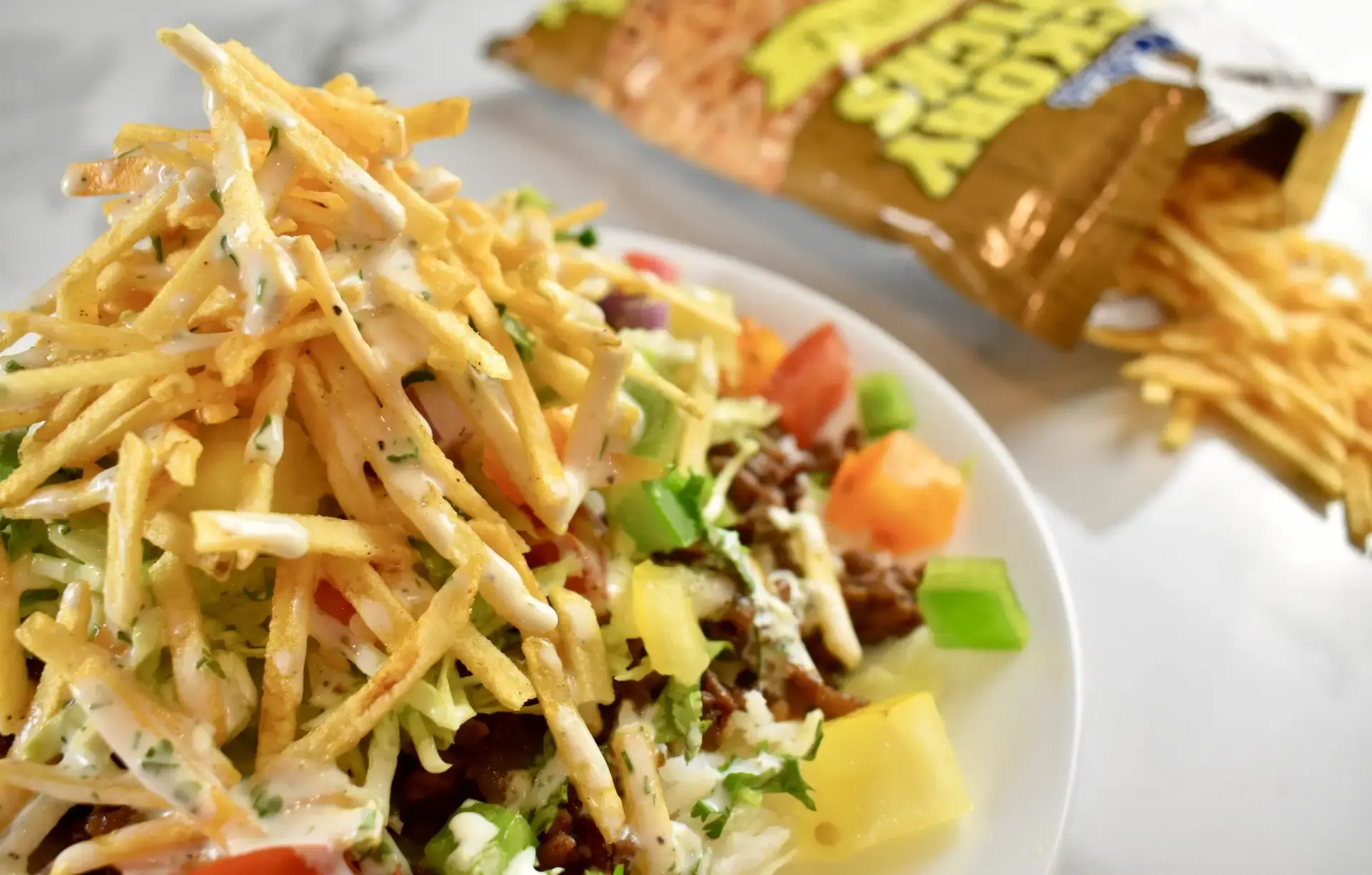
Amish haystacks are one of those cozy, crowd-pleasing dishes that feel a bit like a buffet on a plate: everybody builds their own towering “stack” with layers of rice, meat, crunchy toppings, and fresh veggies. It is playful, customizable, and perfect for feeding a lot of people without driving the cook crazy. No wonder it is a favorite at Amish carry-ins, youth gatherings, and casual church lunches.
Behind this simple idea there is also a beautiful story of community, hospitality, and flexibility in the kitchen. From classic beef-and-rice haystacks inspired by recipes like the one in Newman’s “The Hole in the Wall Gang Cookbook”, to creative twists such as Amish breakfast haystacks served after Sunday services, this dish has turned into a reliable go-to whenever many mouths need to be fed and everyone should walk away happy.
What Are Amish Haystacks?
Amish haystacks are a build-your-own meal where each person layers ingredients into a personalized “pile” on their plate. Traditionally, you start with a warm base (most often rice), spoon over a savory meat mixture, then add vegetables, lettuce, crunchy toppings, and dressing or sauce. It looks a bit like a little hay pile on the plate, which is how it got its name.
The fun of Amish haystacks lies in the freedom of choosing what goes into each serving. Someone who loves lots of veggies can load up on tomatoes, onions, and lettuce; another person can go heavier on the meat and crunchy bits. It is also a clever way to offer a full meal without needing to plate everything in the kitchen—just set the ingredients out in bowls and let everyone serve themselves.
In many Amish communities this style of meal is common at carry-ins or large group events. When 100 or more people gather after church or for youth activities, haystacks make it possible to serve everyone efficiently while still letting them eat according to their own tastes. It is friendly to picky eaters, to guests from out of town, and to anyone who likes to experiment with their food combinations.
The version that many English (non-Amish) cooks know today often traces back to prize-winning or community cookbook recipes, like the one inspired by Newman’s “The Hole in the Wall Gang Cookbook”. That particular take on haystacks is especially popular with teenagers and large informal groups, thanks to its simple ingredients and build-your-own setup.
While the most familiar haystack is a supper dish built around rice and meat, Amish cooks also play with the concept. One example is the “breakfast haystack” that appears in Amish stories about planning Sunday lunches and youth events. Here, the same stackable idea—base, toppings, sauce—gets turned into a hearty breakfast spread with eggs and morning-style components.
How Amish Haystacks Fit Into Community Life
To really understand why Amish haystacks matter, it helps to see how they show up in everyday community life. They are not just a cute recipe; they are part of how Amish churches and youth groups manage to feed big groups while keeping things organized and welcoming.
In many Amish congregations there is a food committee that rotates among couples. Two couples at a time might be responsible for planning menus and organizing meals for about a year. During that term they help with youth gatherings, seasonal traditions like community hog butchering, Bible study evenings, and any large events that include a shared meal.
When guests travel in from other Amish settlements for big occasions—like a surprise 50th wedding anniversary open house followed by Sunday school, the food committee often looks for a menu that feels a bit special while still being realistic for 100+ people. They might flip through various cookbooks, considering casseroles or traditional haystacks, and sometimes land on something slightly different like breakfast haystacks to give everyone a fresh experience.
There is usually a very practical system behind these events. A ring binder full of notebook paper gets passed along from one set of food-committee couples to the next. In it, they record what they served, how many people came, how much food was needed, and even how many leftovers were left. They jot down tips, what worked, and what could go smoother next time. That way, planning the next haystack meal or breakfast haystack buffet gets easier each year.
The same binder might also include notes from non-food events that still relate to hospitality and meals. When youth groups go Christmas or Easter caroling, for example, they keep track of whom they sang for, what time they started, and other details. That makes it simple to plan the next round of visits to nursing homes or shut-ins and ensure no one is forgotten.
Hospitality runs deeper than just what is on the table. For large occasions like funerals or big anniversary gatherings, the food committee or church leaders also help arrange overnight lodging. In Amish culture, guests most often stay in the homes of other Amish families rather than in hotels, even if they did not know each other beforehand. This style of hosting goes hand in hand with haystack meals: both are about opening homes, sharing what you have, and giving people a chance to talk, connect, and feel cared for.
Classic Amish Haystack Dinner: Structure and Ingredients
The classic Amish haystack dinner is remarkably simple but incredibly flexible. It is built layer by layer so that the final plate looks like a little mound of goodness—hence the “haystack” name. While every cook and community has its own twist, there is a common structure that most versions share.
Typical haystack components include several key categories: a base, a savory meat or protein, vegetables, something green and fresh, a crunchy topping, and a flavorful dressing or sauce. The idea is that each layer contributes a different texture and taste so that the final bite is satisfying but not heavy in a one-note way.
In many Amish-style haystack dinners the base is plain cooked rice. White rice is common, though some cooks might choose brown rice or a lightly seasoned version. Rice is inexpensive, easy to cook in large quantities, and naturally gluten-free, which helps when feeding a mixed group.
The meat layer is typically a seasoned ground beef mixture. The exact seasoning can vary—from something simple with salt, pepper, and maybe onions, to a slightly tangy, almost sloppy-joe style sauce. One popular approach, inspired by prize-winning recipes, is to make a flavorful, spoonable meat mixture that sits nicely on the rice and keeps the stack moist.
Vegetables usually come in two main forms: cooked or hearty veggies and fresh salad-style toppings. Diced tomatoes, onions, peppers, and sometimes corn or beans can appear in the mix. In some directions you will see a suggestion such as layering “half the veggies” before the lettuce and the other half afterward, which gives the plate more texture and color.
A generous handful of shredded lettuce is often added next. It cools down the plate a bit, adds crunch, and makes the dish feel fresher and lighter. The contrast between warm rice and meat and cool lettuce is part of what many people love about haystacks.
Amish cooks also love a good crunchy topping to finish the stack. One specific suggestion that appears in well-known recipes is Hickory Sticks—a smoked, crispy potato snack. Sprinkling these on top gives a salty, smoky crunch that teenagers especially tend to devour. Other communities might use crushed tortilla chips or something similar, but Hickory Sticks are a standout in the classic version.
Finally, some sort of dressing or sauce ties everything together. Ranch dressing is a common favorite, drizzled over the top of the haystack to add creaminess and flavor. For those who like a “wetter” stack, bottled Italian salad dressing is another possibility. Both options soak into the lettuce and rice, giving every bite a bit of tangy moisture.
Serving Amish Haystacks to Large Groups
One of the biggest advantages of Amish haystacks is how easy they are to scale up for large gatherings. Whether you are feeding a youth group, a church crowd of over a hundred people, or a casual party at home, the basic method stays the same—only the quantities change.
There are two main ways to serve haystacks when everything is cooked and ready. The first, and most common, is to put every component in its own bowl or container on a table. Guests move through the line, building their own stacks in whatever order and amount they like. This self-serve approach lets you accommodate different diets and picky eaters without extra work in the kitchen.
The second option is to assemble the haystacks in the kitchen or serving area and portion them out evenly. In this approach, you place the ingredients directly on individual plates in a specific sequence. One well-known order is: rice first, then the meat layer, then half the vegetables, followed by lettuce, the remaining vegetables, a sprinkle of Hickory Sticks, and finally a drizzle of ranch dressing. This guarantees that every person gets a balanced serving with all the components.
When haystacks are served to teenagers or young adults, they almost always become an instant hit. The interactive nature of a “build your own haystack” meal makes it feel a bit like a party. Teens can stack their plates high, experiment with extra crunch or extra dressing, and compare creations with their friends.
For those who are not as enthusiastic about the haystack format, hosts sometimes offer a simple alternative on the side. One practical suggestion that comes up is serving dinner rolls and a sloppy-joe style meat mixture, plus a basic salad. That way, anyone who prefers a more traditional sandwich meal is still comfortable and well fed, while everyone else piles up their haystacks.
From an organizational standpoint, haystacks make life easier for the cooks and planners. You can assign different components to different helpers—one person brings the rice, another prepares the meat, several bring chopped veggies, someone else handles dressings and crunchy toppings. This “many hands make light work” approach fits perfectly with Amish community values and makes it realistic to serve very large groups without overburdening any single family.
Amish Breakfast Haystacks: A Creative Twist
At some point, creative Amish cooks realized that the haystack idea does not have to stop at dinner. If you swap the components around and lean into breakfast flavors, you get an entirely new but equally charming dish: breakfast haystacks.
Breakfast haystacks often appear when a church or youth group wants something different for a Sunday lunch or special gathering. Instead of another round of casseroles or the familiar dinner haystacks, planners might flip through their cookbooks and land on a recipe for a breakfast-themed stack. It feels a bit surprising yet comforting—especially for those who really love breakfast foods.
In these breakfast versions, scrambled eggs usually take the lead as the main protein. They might be served plain, or the cook might stir in extras like cheese, sautéed onions, or peppers. In fact, some directions suggest two options: either add cheese directly to the eggs as they cook or keep the cheese separate as a sauce or topping so people can decide how much they want.
Other classic breakfast ingredients can be layered in as well. You might find fried or sautéed peppers and onions, breakfast meats, or even hash browns or potatoes as part of the stack. The exact lineup varies by family and community, but the core idea is the same: start with a hearty base, add eggs and toppings, and finish with something saucy or creamy.
Just like the dinner haystacks, breakfast stacks are usually designed without fixed quantities listed in the base recipe. That is intentional. It lets the planners adjust the amount of each component according to how many people are being served. Cooking eggs for a group of 20 is very different from feeding 110 church members, so this flexibility is essential.
The social setting around breakfast haystacks often mirrors what happens with dinner haystacks. People gather after a service or event, move through the line, and chat while they build their plates. There is plenty of room for personalization: some guests might go hard on eggs and cheese, others might pile on vegetables or skip dairy. The atmosphere stays relaxed and friendly.
Hosts frequently see breakfast haystacks as a way to offer something out of the ordinary without complicating the logistics. It lets them step away from the usual casseroles, while still relying on ingredients and methods that are familiar and manageable for home cooks in a community setting.
Tips, Variations, and Practical Advice for Amish Haystacks
Whether you are making an Amish-style haystack dinner or a breakfast version, a few practical tips can make the whole process smoother. These meals might look casual, but a bit of planning goes a long way when you are feeding a group.
First, take advantage of the natural flexibility built into the haystack concept. Nothing is set in stone: you can add, skip, or swap ingredients according to what your guests like or what you have on hand. If someone loves cheese, you can stir it into the scrambled eggs or offer a separate cheese sauce. If not everyone is into peppers and onions, serve them on the side so people can opt in.
Second, keep good notes if you think you will repeat the meal in the future. Borrowing the Amish food-committee approach, you can jot down how many people you served, how much of each ingredient you used, and what was left over. The next time you plan haystacks—whether for a family reunion or a church event—you will have a ready-made guide to quantities and timing.
Third, think through the flow of the serving line. Place the base first (rice for dinner, maybe potatoes or another starch for breakfast), then the main protein, then vegetables and toppings, and finish with dressings or sauces. This keeps plates from getting overloaded too early and makes the line move smoothly without people backtracking.
Fourth, consider offering at least one alternative for guests who are less adventurous. A pot of simple sloppy-joe meat and a basket of dinner rolls, for instance, can be a lifesaver for those who do not feel like layering a full haystack. A big basic salad also gives lighter eaters something they can enjoy comfortably.
Finally, remember that haystacks shine brightest when paired with genuine hospitality. In Amish communities, they are woven into evenings of singing, Christmas or Easter caroling, youth Bible studies, and visiting with guests who might be staying overnight in local homes rather than at a hotel. The food is important, but the connections around the table are what people remember most.
When you bring Amish haystacks into your own kitchen, you are not just borrowing a recipe—you are adopting a relaxed, community-friendly way of feeding people generously. With a few bowls of simple ingredients and a willingness to let everyone build their own plate, you can create the same warm, welcoming feeling that keeps this dish at the heart of so many Amish gatherings.