- Step‑by‑step recipes turn complex cooking into simple, repeatable actions anyone can follow.
- Mexican classics like tinga, arroz rojo and sopa azteca are ideal examples of easy cultural dishes explained in detail.
- Meal‑kits and recipe communities add photos, tips and filters to make everyday cooking more accessible.
- Respecting traditional techniques while adapting flavours lets you cook creatively without losing authenticity.
Cooking easy recipes step by step is one of the quickest ways to feel at home in any kitchen, whether you are preparing a weekday meal, a party spread or simply learning how to handle basic ingredients. From hearty Mexican stews to comforting soups and clever everyday tricks, having clear, visual and well-explained instructions turns cooking from something intimidating into something fun and doable for everyone.
Beyond feeding us, cooking is a powerful cultural act that connects us with traditions, family memories and even national celebrations. Typical dishes for Mexican Independence Day, everyday lentil stews or a classic chicken tinga all tell a story through their ingredients and techniques. When you follow a detailed, respectful step-by-step recipe, you’re not just eating well – you’re preserving and reinventing a piece of culture in your own style.
Why step‑by‑step easy recipes matter so much
Step‑by‑step recipes break down cooking into small, manageable actions, which is essential if you’re not yet confident in the kitchen. Instead of vague instructions like “cook until done”, good guides show quantities, times, textures and even photos of each phase so you can compare and adjust. This is the kind of support services like HelloFresh or big community platforms aim to provide with recipe cards and in‑box instructions.
Clear steps also protect the identity and flavour of traditional dishes. Classic Mexican recipes – from tinga, arroz rojo and sopa azteca to rajas with cream – carry techniques that have been passed down for generations. When a recipe explains, for example, how to toast chile pasilla for a soup or how to deshebrar (shred) meat correctly, you’re learning much more than a dish: you’re absorbing pieces of culinary heritage.
At the same time, easy step‑by‑step recipes leave room for your own personal twist. You can keep the core method that “makes the dish what it is” while changing small details: maybe you swap chicken for beef, reduce the spice level, change the garnish or adapt the recipe to what you have in the fridge. The important part is understanding the logic of every step; once you do, improvising becomes natural and safe.
Following detailed instructions is also the best way to avoid waste and cooking failures. If you know exactly how much heat to use, when to salt, how to brown ingredients or the right moment to add liquids, you’ll burn less food, overcook fewer vegetables and get more consistent, tasty results. That means saving money, time and frustration.
Finally, step‑by‑step formats make cooking more fun and social. When you can trust a recipe because every phase is illustrated or precisely described, you relax and enjoy the process: you can cook with kids, invite friends to help or even share your own variations online, just like thousands of home cooks do on community sites where everyone uploads their favourite dishes and kitchen hacks.
Cooking as culture: from everyday plates to national celebrations
Cooking isn’t just about nutrition; it’s tightly linked to identity, memory and celebration. Every region of the world has emblematic dishes that appear at parties, family gatherings and historic dates – and Mexico is a perfect example, with Independence Day menus full of colourful, flavourful plates that go far beyond tacos.
Typical Mexican recipes show how geography and history shape what ends up on your plate. Corn, beans, chiles, tomatoes and squash are ancestral ingredients that still define many easy, everyday dishes: think of sopa azteca with fried tortilla strips and chile pasilla, or a simple ensalada de nopales with tomato, onion and fresh cheese. Each bite tells part of a much older story.
Traditional recipes for Independence Day tend to be generous, colourful and perfect to share. Big trays of tinga de pollo or tinga de res, chicharrón in salsa verde, rice with vegetables, sopes with beans and toppings or enchiladas mineras can all be prepared with structured, simple sequences that allow you to cook for a crowd without chaos in the kitchen.
Respecting tradition doesn’t mean you can’t adjust flavours or presentation to your own taste. Many modern guides encourage you to keep the base – for instance the way you roast chiles or cook the rice – but invite you to play with toppings, levels of spiciness or accompaniments, so a classic can feel lighter, spicier or more family‑friendly depending on who’s coming to eat.
Community and brand recipe collections often mix strictly traditional options with creative variations. You might see canonical dishes like sopa azteca, arroz rojo or chiles rellenos right next to newer ideas such as salads with esquites (street‑style corn), modern tostadas or even quicker, simplified versions of long stews adapted for busy home cooks who want all the flavour with less effort.
20 easy Mexican recipes you can actually make step by step
One of the richest sources of step‑by‑step inspiration is the world of Mexican home cooking, full of dishes that look fancy but are surprisingly simple once you see the method broken down. Here is a tour through twenty approachable ideas, all based on the detailed kind of instructions that let you succeed even on your first try.
1. Salpicón tostadas (shredded beef salad on crispy tortillas) are fresh, colourful and ideal when you want something light but satisfying. The typical flow is: cook beef until tender, shred it, mix with tomato, red onion and radishes, season with lime and herbs, and serve on crunchy tostadas with a slice of avocado on top.
2. Chicken milanesa tacos prove how a simple breaded cutlet can turn into a beloved taco filling. Step by step you’ll pound chicken thin, season, coat it in egg and crumbs, fry until golden in hot oil, then slice it into strips and tuck into warm tortillas with lettuce, salsa and maybe some cream or cheese.
3. Nopal sandwiches with ham and cheese are a clever carb‑light breakfast or dinner. You treat the nopal paddles like bread: clean and cook them until tender, then sandwich ham and cheese between two pieces and toast until the cheese melts. A clear sequence of cleaning, cooking and assembling makes them very beginner‑friendly.
4. White rice with corn and poblano chile is an easy, everyday side dish. After rinsing the rice, you lightly fry it in oil, add sautéed rajas de poblano and corn kernels, then pour in seasoned broth and cook gently with the lid on. Good recipes spell out water ratios, simmer time and how to know when the rice is perfectly fluffy.
5. Potato patties with ham are the kind of comforting recipe every kid loves. You boil whole potatoes with their skins so they don’t absorb too much water, peel and mash, mix with chopped ham and seasonings, shape into little cakes and pan‑fry until the exterior is crisp and golden.
6. Sopes with nopal salad and chicken show how versatile masa can be. First you form thick little disks, cook them on the griddle and pinch the edges to create a border. Then you layer refried beans, shredded chicken and a bright salad of nopales, tomato and onion, finishing with salsa and crumbled cheese.
7. Mexican‑style ground beef stew combines ground meat with tomato, onion and chilies to create a saucy, comforting guisado. Structured recipes guide you through browning the meat, sautéing the vegetables, adding spices and simmering to the right consistency – perfect to spoon into tortillas.
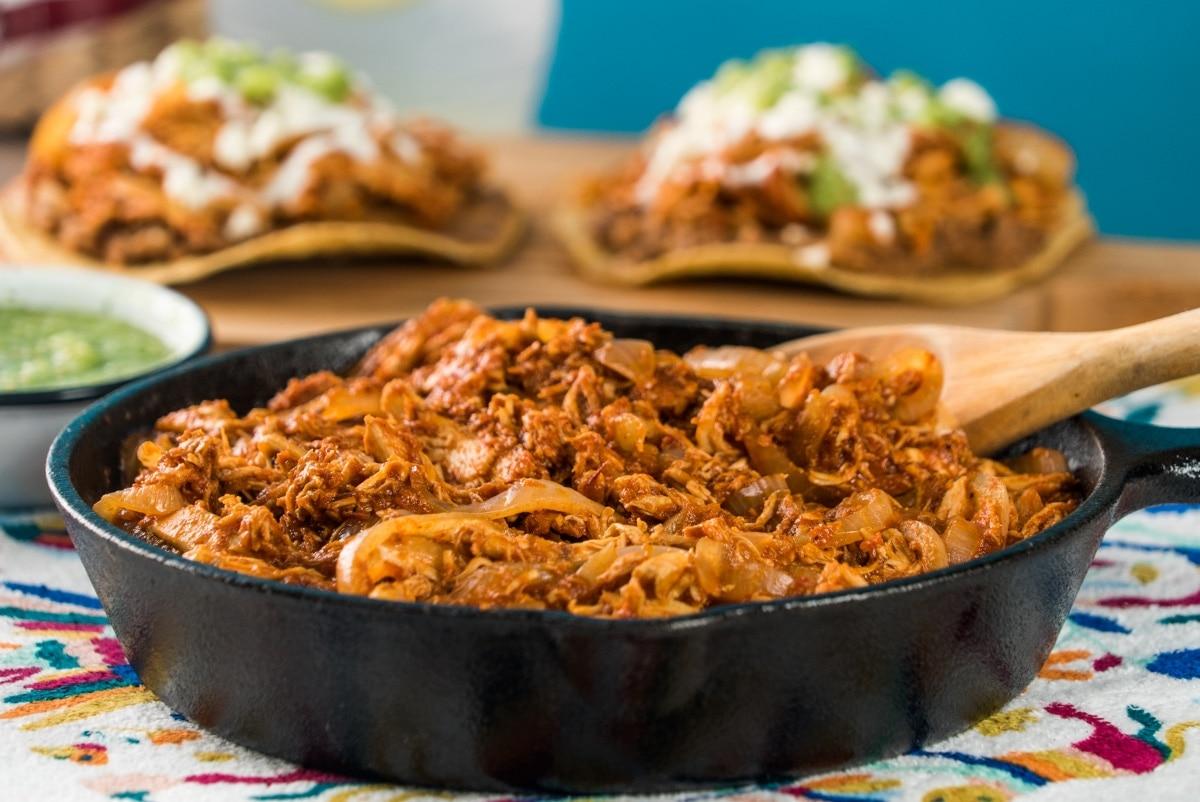
8. Beef tinga (shredded beef in chipotle tomato sauce) is a party favourite because it’s extremely scalable. In a classic step‑by‑step method you cook the meat, shred it, blend a smoky tomato-chipotle sauce, simmer everything together with sliced onions and finish by checking the seasoning before serving on tostadas.
9. Panela cheese patties in green salsa are a lighter, high‑protein alternative to meat. You slice the fresh cheese, brown it in a pan and then simmer it gently in a tangy tomatillo salsa. Easy recipes emphasise how to handle the cheese so it holds its shape instead of falling apart.
10. Chicken tinga follows a very similar structure to beef tinga, but using shredded cooked chicken. With a reliable sequence – cook chicken, shred, prepare the chipotle tomato sauce, sauté onions, combine and simmer – you get a dish that’s perfect in tacos, tostadas or even as a topping for rice bowls.
11. Poblano rajas in cream with chicken are a favourite creamy dish. The key steps are roasting and peeling the chilies, cutting them into strips, sautéing with onion, then adding cream and shredded chicken. Detailed instructions help you handle the chiles without burning yourself and avoid over‑reducing the sauce.
12. Pork crackling in green salsa (chicharrón en salsa verde) is simple but incredibly flavourful. A good guide takes you through blending tomatillos with green chilies, simmering that sauce until it darkens slightly and only then submerging pieces of chicharrón so they soften without losing all their texture.
13. Classic cheese‑stuffed chile relleno might look advanced, but step‑by‑step directions demystify it completely. You roast, peel and devein poblano chilies, stuff them with panela or another firm cheese, coat in beaten egg to create a fluffy capeado and fry before bathing them in a light tomato broth.
14. Mexican‑style picadillo with potatoes and carrots is another budget‑friendly, family dish. The stages usually go: sauté onion and garlic, brown the ground beef, add diced potatoes and carrots, stir through tomato and seasoning, then simmer until the vegetables are tender and the sauce thickens slightly.
15. Potatoes with chorizo are beloved as a taco filling and as the heart of pambazos. You cook the chorizo until it releases its fat, add par‑cooked diced potatoes, let them soak up all that flavour, and finish with a touch of onion and cilantro. With the right sequence it becomes an almost effortless dish.
16. Beef alambre with peppers is essentially a stir‑fry of marinated beef strips, colourful bell peppers, onion and sometimes bacon or cheese. Step‑by‑step explanations are crucial here to show the right order in which to cook each ingredient so everything ends up tender but still vibrant.
17. Arroz rojo (Mexican red rice) is a staple side you’ll find at countless tables. You toast the rice in oil until lightly golden, add blended tomato with onion and garlic, fry a bit more, then pour in broth and simmer. The recipe’s success depends on simple, precise steps about heat and timing.
18. Sopa azteca (tortilla soup with chile pasilla) turns everyday ingredients into a restaurant‑worthy starter. You fry strips of corn tortilla until crisp, toast the chile, blend it into a tomato base, simmer into a broth and then serve with the tortilla strips, avocado, cheese and cream as toppings.
19. Enchiladas mineras are tortillas dipped in a guajillo‑based sauce and stuffed with a potato and carrot mixture. Good instructions show how to prepare the vegetable filling, cook the chiles to remove bitterness, fry and sauce the tortillas quickly so they stay pliable and juicy.
20. Esquites salad takes the flavours of Mexican street corn and turns them into a hearty side dish. You sauté bacon and rajas, add corn kernels, season with herbs and chili, then finish with lime and perhaps a touch of mayonnaise or cream, depending on the style you prefer.
Everyday comfort dishes: lentils, stews and rice bowls
Not all easy recipes are about parties; some of the most valuable step‑by‑step dishes are simple, nourishing plates you can cook on autopilot during the week. Think of lentil stews with sausage, basic rice preparations or quick skillet combinations that become part of your regular rotation.
A classic lentil dish with chorizo, morcilla and potatoes is a perfect example. You soak and rinse the lentils, sauté onion, garlic and sausage, add the lentils with broth and potatoes, then simmer until everything is tender and the broth slightly thickened. Thanks to clear instructions, you avoid overcooking the legumes or ending up with a bland pot.
Rice‑and‑stew bowls, popular in many households, also benefit enormously from detailed guides. When a recipe explains exactly how to season the rice, when to cover the pot and rest it, and how to reheat leftover stew without drying it out, it becomes a reliable lifesaver after busy days.
Step‑by‑step cooking is especially empowering for people who cook just for themselves. Even if certain subscription boxes are designed for two or four people, many home cooks happily adapt them: they save leftovers for another day, invite friends over or turn extra portions into packed lunches. Structured recipes with photos and precise timings make this planning and reheating much easier.
In all these everyday dishes, respecting basic techniques – proper sautéing, correct simmering, resting times – matters as much as in more elaborate menus. When you follow the steps and understand why each one is there, a humble pot of lentils or a pan of rice can taste just as special as a big celebratory meal.
How modern services and communities make cooking easier
Today you don’t have to figure things out alone: meal‑kit companies and recipe communities have turned cooking guidance into a complete ecosystem. Brands that deliver boxes to your door often include illustrated cards with ingredients, exact quantities, cooking times and process photos, so even total beginners can assemble impressive plates.
Those step‑by‑step cards are designed so that someone with almost zero prior experience can follow along. You’ll typically see numbered actions like “slice the onion”, “brown the meat”, “simmer for 10 minutes” with corresponding images. That way you can match what you have in your pan to what you see on paper, and correct if something looks off.
Large online communities of home cooks add another powerful layer: shared experience. On user‑driven platforms, people upload their own recipes, tips and failures, often adding comments like “I used less chili for my kids” or “I swapped in lentils instead of beef and it worked great”. This creates living, evolving step‑by‑step guides adapted to real homes.
Some communities also offer premium options with extra features. Subscriptions can unlock advanced search filters, personalised meal planners, ad‑free browsing or exclusive tips from professional chefs, while still keeping the core idea of cooking fun, collaborative and accessible.
Behind all of these tools lies the same belief: everyday cooking should be enjoyable, practical and sustainable. By making step‑by‑step guidance widely available, they help you cook more at home, reduce dependence on ultra‑processed foods and even lower your environmental impact through smarter ingredient use and reduced waste.
Frequently asked questions about easy step‑by‑step recipes
Do I need advanced skills to follow these kinds of recipes? No. Well‑designed step‑by‑step recipes assume that you might be a complete beginner. They explain basic actions – chopping, browning, simmering, baking – and often show photos of each stage, so you can see if you’re on the right track. If you can follow simple written instructions, you can cook these dishes.
Can I always choose fast and simple options every week? Yes, if you’re using a meal‑kit or an online platform with filters, you can usually sort recipes by difficulty or prep time. Many sites have dedicated tags for “easy recipes” or “30‑minute recipes”, so designing a weekly menu full of straightforward dishes is just a matter of a few clicks.
What if I’m cooking for one person? Even when recipe kits or online portions are meant for two or more, they work perfectly for solo cooks. You can keep leftovers for another meal, invite a friend over to share or portion everything into containers for work lunches. Step‑by‑step recipes help you reheat and store food correctly so it still tastes great the next day.
Is it okay to modify traditional recipes? Absolutely – as long as you understand what makes that recipe special. If you respect the core techniques and flavours (for example, how you toast chiles or cook the rice), you can adjust spice levels, swap proteins or simplify garnishes without losing the soul of the dish. Detailed recipes are a starting point, not a prison.
What about cultural respect when changing traditional plates? The key is to acknowledge where dishes come from and to learn at least once how they’re prepared in their original context. When you’ve cooked the classic step‑by‑step version and understand its story, it’s easier to adapt it thoughtfully, giving credit to the tradition you’re building on.
Using easy, step‑by‑step recipes is one of the simplest ways to cook more, eat better and connect with real food every day: they let you prepare everything from a humble lentil stew to a full Mexican celebration menu, teach you essential techniques, respect the culture behind each dish and still leave room for your own creativity and lifestyle.