- GLP-1 medications for weight loss are expanding fast and starting to reshape food and beverage consumption patterns worldwide.
- Consumers on GLP-1 tend to eat less, seek higher protein and nutrient density, and move away from sugar, saturated fats and alcohol.
- The food industry is reacting with more functional products, meal replacements and tailored retail spaces targeting GLP-1 users.
- These shifts open new strategic opportunities and challenges for brands, retailers and startups in the broader food ecosystem.
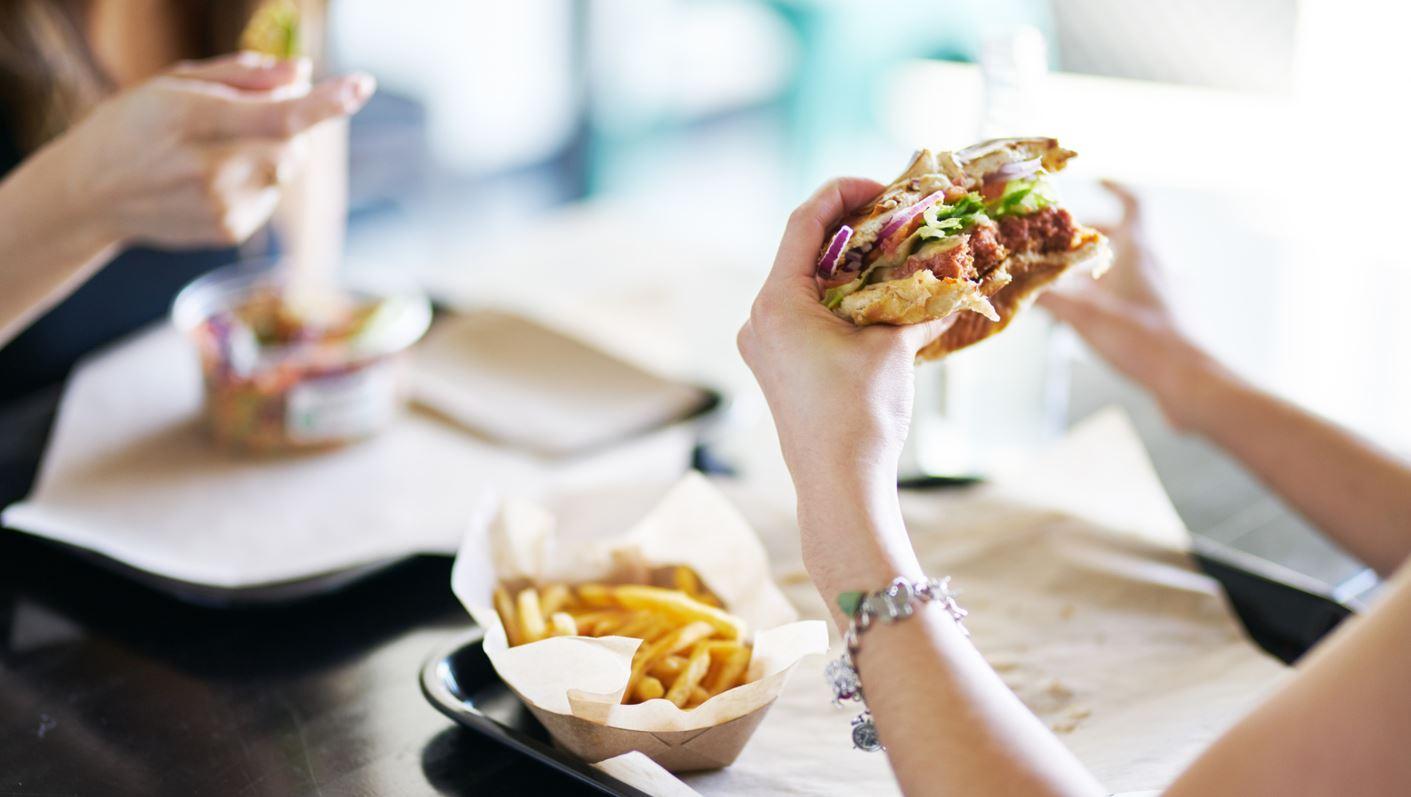
The rapid rise of GLP-1 medications for weight loss is no longer just a pharmaceutical story. It is quietly transforming how people relate to food, what they buy at the supermarket, and how brands think about product development. From Spain to the United States and the United Kingdom, these drugs are starting to redraw the map of everyday eating habits.
Instead of being a passing fad, GLP-1 treatments are creating a new type of consumer: someone who eats less overall, tolerates certain foods worse, and prioritizes functionality, protein and satiety over pure indulgence. That shift is already pressuring food and beverage companies to rethink categories, formats and messaging, and it is opening space for new products such as meal replacements and high-protein, high-nutrition options.
Spain: when GLP-1 meets a high-prevalence obesity landscape
In Spain, the impact of GLP-1 drugs has to be read against a tough health backdrop: around 55.8% of adults live with excess weight, with 18.7% facing obesity and 37.1% overweight, according to national food safety authorities. On top of that, sales of GLP-1 analogues have accelerated sharply, turning them into a structural factor for the local food market.
Industry data indicate that GLP-1 analog sales exceeded 840 million euros in 2025, up from about 480 million in 2024. That is roughly a 75% year-on-year jump, with some 7.2 million units sold in that period. Behind those figures there is a visible change in how millions of potential consumers might approach eating and drinking over the next decade.
Consultancy estimates suggest that by the end of 2025 there were around 500,000 adults in Spain using GLP-1 drugs specifically for weight reduction, compared with about 430,000 in 2024. That means close to 1.2% of the adult population was on these medications for slimming purposes, not counting patients using them to manage diabetes.
What worries and excites the market in equal measure is the room for expansion. Surveys show that nearly 6% of Spanish adults are considering GLP-1 therapies for weight control, which would translate into more than two million potential new users. For supermarkets, restaurants and manufacturers, that is a consumer segment too big to ignore.
Executives working with these numbers argue that the real risk for the food industry is to treat GLP-1 as a temporary buzz. With hundreds of thousands of people eating differently, and usage growing at double-digit rates, the logic of consumption is being rewritten, from portion sizes to preferred ingredients.
Global signals: what the US and UK tell us about future eating habits
Although Spain provides a vivid local picture, many analysts look to the United States as the leading indicator of how GLP-1 will affect food choices at scale. In the US, survey work by health policy trackers shows that roughly one in five adults has taken a GLP-1 analogue at some point, and about 12% say they are currently using one to lose weight.
That 12% effectively means around 30 million Americans actively reshaping their diets under the influence of GLP-1. Their experience offers a preview of how categories like snacks, drinks and meal solutions might evolve as these medications become more common in other markets.
Across the Atlantic, the United Kingdom is showing similar signals, though at earlier stages. University-based research published in medical journals finds that approximately 1.6 million UK adults — about 3.7% of the adult population — used GLP-1 drugs for weight control in the last year. Another 3.3 million people, close to 8% of adults, say they are interested in starting such treatments in the coming twelve months.
These figures from the US and UK suggest that GLP-1 treatments are moving from niche therapies to mainstream tools for weight management. As uptake spreads, the impact radiates outwards: from how often people snack, to whether they drink alcohol, to the kind of support they expect from retailers and hospitality venues.
How GLP-1 changes what and how much people eat
People using GLP-1 medications often experience notable weight loss, typically reporting average reductions of 18 to 20 kilograms. But the drugs also come with a series of side effects that directly influence eating behaviour: nausea, vomiting, constipation, abdominal discomfort or even issues like persistent bad breath.
These side effects have a practical consequence: meals become smaller, slower and more selective. Many users gravitate towards foods that are easier to digest, richer in protein, and more densely packed with nutrients to compensate for reduced intake. Hydration becomes a higher priority, and tolerance for very fatty, greasy or sugary foods often drops.
Data from consumer analytics firms in the US underscore this shift. Compared with the general population, GLP-1 users are clearly cutting back on sugar, saturated fats and alcohol, while increasing spending on categories associated with protein, fibre and hydration.
For instance, purchase panels show that consumption of wine and ready-to-drink cocktails among GLP-1 users has fallen by more than 10 percentage points year-on-year. On the flipside, products such as granola bars, yogurts and sports drinks have gained around five percentage points in this group, reflecting a reallocation of calories and budget towards items perceived as more functional or easier to handle on a sensitive stomach.
In parallel, the broader cultural conversation around weight and health is reinforcing these shifts. There is growing suspicion towards ultra-processed foods rich in added sugars and unhealthy fats, seen as key drivers of chronic disease. GLP-1 drugs do not create that skepticism from scratch, but they act like an accelerator: once someone is on a powerful weight-loss medication, the tolerance for foods that work against their goals tends to fall rapidly.
Protein, satiety and the new hierarchy of nutrients
While GLP-1 medications curb appetite, they also come with a trade-off: some users experience a loss of lean muscle mass alongside fat loss. That risk is pushing doctors, nutritionists and public authorities in several countries to emphasize adequate protein intake for people on these therapies.
In the United States, this concern has spilled over into official nutrition recommendations. Recent dietary guidelines from health agencies have highlighted the need to significantly increase daily protein consumption, which in practice implies a systematic rise in the intake of high-protein foods, especially animal-based options such as beef, as well as dairy, eggs and other protein-rich choices.
Market data from the US Department of Agriculture point to a rapid escalation: in the last quarter of 2025, consumption of high-protein foods jumped by around 64% year-on-year. Projections for the next five years suggest that global demand for protein could grow by roughly 37%, with about two-thirds of consumers willing to pay more than 30% extra for newly “protein-boosted” products.
This demand is not limited to traditional animal protein. Dairy categories are aggressively fortifying yogurts, cheeses and drinks with extra protein, and the shelves are filling up with shakes, bars and snacks explicitly marketed around muscle preservation, satiety and weight management support.
One surprising twist is that not all “modern” protein sources are thriving. Plant-based meat alternatives — once hyped as the future — are shrinking fast in many markets. A category that used to move around 4.7 billion dollars globally in 2021 has reportedly fallen below 300 million by 2025 in some segments, signalling a sharp drop in consumer enthusiasm.
Analysts interpret this slump as part of a broader “back to natural” mood. For many shoppers, highly engineered meat substitutes feel too artificial at a time when people are seeking simpler ingredient lists and associating “real” foods with a better life and long-term health. In that context, GLP-1 users are often more open to minimally processed protein sources than to heavily formulated alternatives.
A structural shift in the food and beverage industry
All these behavioural changes add up to a structural challenge for manufacturers, retailers and the hospitality sector. If a meaningful share of the population eats less, expects smaller portions with higher nutritional density and is more cautious about sugar, fat and alcohol, many established categories will have to adapt or risk stagnation.
For food and drinks companies, it is becoming harder to rely solely on indulgence. The emerging GLP-1 consumer still wants pleasure, but demands better alignment between taste, nutrition and overall wellbeing. That pushes brands to rethink everything from portion sizes to on-pack claims, reformulations and pricing.
There is also a clear message around tolerability. With nausea and digestive discomfort more common among GLP-1 users, products that are too heavy, too sweet or excessively greasy may be rejected simply because they “do not sit well”. This opens space for lines that emphasize gentle digestion, balanced macros and straightforward ingredient lists.
In hospitality and horeca, the implications are similar. Menus that assume large, rich portions as the default may feel out of step with a growing base of customers who prefer smaller plates, high-quality protein and lighter sides. Concepts such as tasting menus, shared dishes or build-your-own bowl formats can more easily accommodate these evolving appetites.
As GLP-1 usage expands among higher-income groups in particular, evidence from several markets shows clear changes in purchasing and consumption both at home and out-of-home. For businesses, the key question is how these patterns will play out over three, five or ten years, and what strategic moves are needed now.
Retail reactions: from dedicated shelves to nutrition support
Some retailers outside Spain are already testing specific responses to the GLP-1 wave. Large US chains and European supermarkets are experimenting with dedicated spaces and services for customers on weight-loss medications, treating them as a distinct shopper segment with unique needs.
For example, big-box retailers have begun carving out sections focused on high-protein foods, hydration, fibre-rich snacks and easy-to-digest options, sometimes grouped under broader wellness or metabolic health banners. The idea is to help GLP-1 users — and health-conscious consumers more broadly — navigate the store more easily.
In the UK, banners like Morrisons and Co-op have launched targeted initiatives, either through curated product ranges or communication campaigns, aimed at people taking GLP-1 medications or seeking weight management support. These projects often highlight smaller portion formats, higher protein density and clear functional benefits on packaging.
Retailers are also exploring value-added services. That can range from access to nutritional advice and digital tools to partnerships with healthcare providers or telemedicine platforms. For GLP-1 users dealing with side effects and appetite changes, having guidance on how to configure meals and snacks can be as important as the products themselves.
Behind these moves lies a simple calculation: if several percentage points of the adult population are on GLP-1 treatments — and more say they plan to start — then capturing their loyalty could be a significant driver of growth in otherwise mature food markets. At the same time, retailers have to be careful not to stigmatize or over-segment shoppers with medicalized messaging.
From Ozempic to meal replacements: why big food is chasing functional nutrition
The rise of GLP-1 has intersected with another powerful trend: the boom in functional nutrition and meal replacements. As more people look for convenient ways to manage calories, macros and micronutrients, food-tech startups specialising in powdered shakes, ready-to-drink meals and tailored supplements have taken off.
One emblematic example is the interest of global dairy giant Danone in acquiring British brand Huel, known for its nutritionally complete meal replacement products. A deal in the range of one billion euros would signal how seriously incumbent players are taking the shift towards science-backed, portion-controlled alternatives to traditional meals.
For large companies, this type of acquisition is both a growth move and a hedge. On the one hand, users of GLP-1 medications may struggle to finish standard meals and therefore favour shakes, bars or smaller, highly optimized portions. On the other hand, functional nutrition offers a way to stay relevant if consumer spending drifts away from legacy categories like sugary snacks or heavy ready-meals.
Startups like Huel have demonstrated that it is possible to mix digital-first distribution, community building and strong nutritional positioning to scale globally. That playbook is particularly attractive in an era when GLP-1 therapies make consumers more intentional about what each calorie delivers in terms of satiety and health benefits.
This convergence between pharmaceuticals and food-tech points towards a future in which the line between “medicine” and “meal” becomes blurrier. For many GLP-1 users, a shake or fortified bowl is no longer just a snack; it is part of a daily regimen to support fat loss, muscle maintenance and metabolic health.
Startups, innovation and the GLP-1 opportunity
For emerging brands and founders, the GLP-1 wave is less about capitalizing on a trend and more about anticipating structural change in how people fuel their bodies. The niches opening up go far beyond classic diet products, touching everything from ingredient innovation to digital health integration.
Young companies focused on meal replacements, alternative proteins or personalized supplementation now have a clearer path to strategic partnerships, funding or acquisition by established players. The key is to show real nutritional value, regulatory robustness and scalable, tech-enabled distribution models.
In regions like Latin America, where obesity rates are also high and access to new therapies typically lags, there is room for local entrepreneurs to design solutions tailored to regional diets, price points and regulatory frameworks. Observing how brands like Huel position themselves globally can help founders fine-tune their own models before GLP-1 usage spikes domestically.
Technologies such as AI-driven formulation, direct-to-consumer channels and subscription models can be powerful tools. They allow startups to iterate quickly on recipes, personalize offerings and collect data about how GLP-1 users actually eat day-to-day, rather than relying only on clinical trials or broad surveys.
The window of opportunity, however, comes with responsibilities. Companies operating around GLP-1 must avoid overpromising or implying that food products can replace medical supervision. Transparency about benefits and limits, backed by evidence, will be essential to build lasting trust in this sensitive intersection between diet and pharmacology.
Affordability, inequality and the long-term outlook
Looking ahead, several structural factors will determine how strongly GLP-1 reshapes the global food system. One is price dynamics: as patents expire — in Europe, many are protected until around 2031 — and more competitors enter the market, treatment costs are likely to fall, potentially boosting adoption.
Another turning point will be the arrival of oral GLP-1 therapies, which would remove one of the biggest psychological barriers to uptake: the need for injections. If swallowing a pill replaces weekly shots, willingness to try these medications could rise sharply across different demographic groups.
At the same time, the social dimension cannot be ignored. In the US, for instance, the most severe impact of the hyper-obesity epidemic has fallen on low-income households, including the 40+ million people relying on food assistance programs. There, the contrast between those who can access the latest weight-loss drugs and those who cannot often overlaps with differences in life expectancy of 10 to 15 years.
As populations age and birth rates decline in many advanced economies, governments and employers have a growing interest in keeping the workforce healthier for longer. That context supports policies encouraging better diets, higher protein intake and perhaps broader access to effective metabolic treatments, including GLP-1 analogues.
Ultimately, the stakes around GLP-1 and food extend well beyond supermarket shelves. They touch on healthcare costs, labour markets, social inequality and even cultural views of what constitutes a “good life”. The speed at which preferences are shifting shows how quickly deeply rooted eating habits can be reconfigured when powerful new tools arrive.
All signs point to GLP-1 medications becoming a lasting part of the health landscape, nudging millions of people toward smaller portions, more protein and more functional foods, while putting pressure on ultra-processed, sugar-heavy products; how companies, retailers and policymakers respond to this slow but decisive reshaping of everyday eating will help define the future of the global food system.