- USDA and FSIS issued a public health alert over Great Value dino-shaped chicken nuggets sold at Walmart due to possible lead contamination.
- The affected bags are 29 oz Great Value Fully Cooked Dino Shaped Chicken Breast Nuggets with lot code 0416DPO1215 and best-by date February 10, 2027.
- Tests found lead levels that could be up to five times higher than the reference level for children, posing particular risk to kids and pregnant women.
- Authorities urge consumers to not eat the product, throw it away or return it, and to check freezers because the nuggets are no longer on sale but may still be at home.
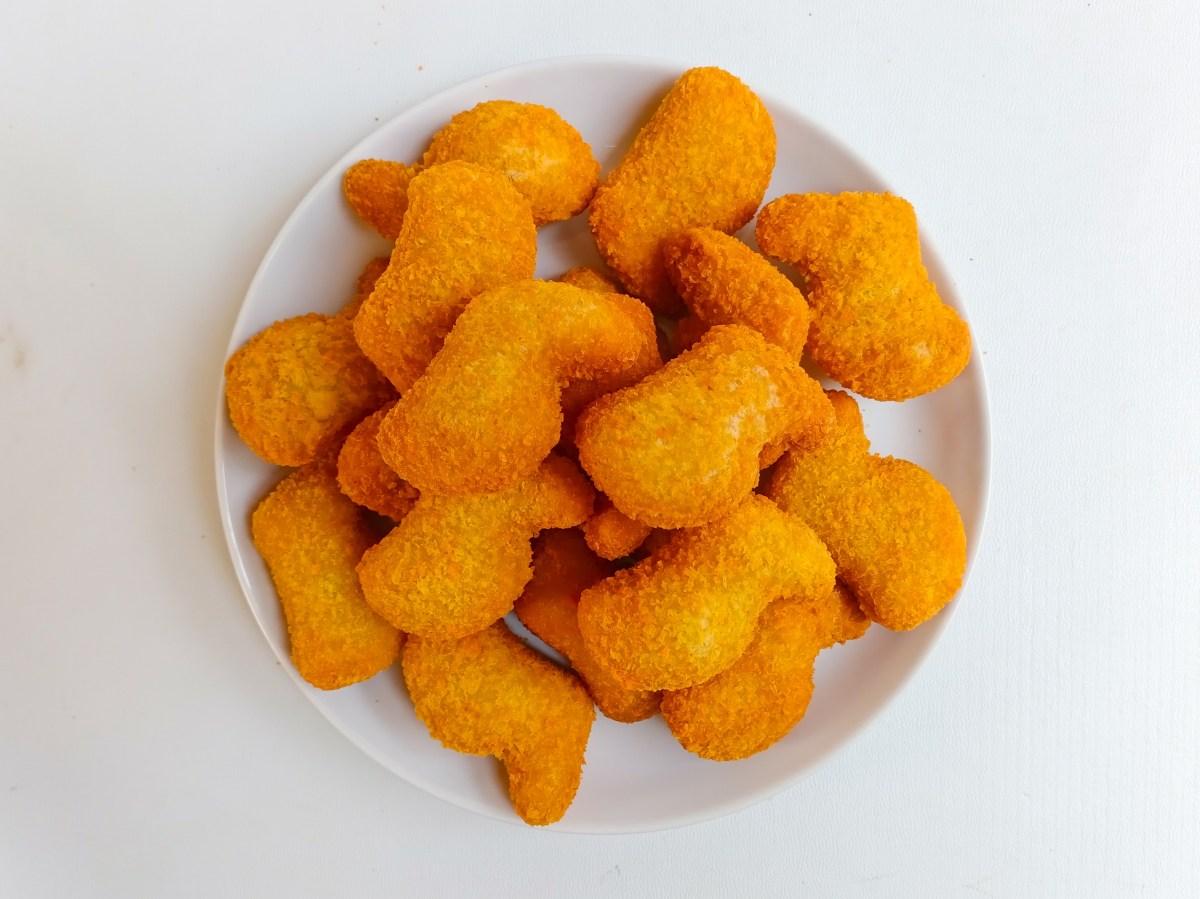
U.S. federal authorities have issued a public health alert for a popular frozen food item found in Walmart stores nationwide: dino-shaped chicken nuggets that may contain unsafe levels of lead. While these products are no longer being sold, officials warn that many families could still have them stashed away in their home freezers.
The alert, which does not rise to the level of a formal recall, focuses on Great Value brand dinosaur-shaped chicken nuggets, a product that is often marketed toward children and widely purchased by households across the country. Health officials are urging consumers to take a closer look at the packaging of any similar nuggets at home to determine whether they match the batch under scrutiny.
Which chicken nuggets are involved in the alert?
According to information released by the U.S. Department of Agriculture’s Food Safety and Inspection Service (FSIS), the public health alert applies to a specific production run of Great Value nuggets sold exclusively at Walmart. The item in question is marketed as “Great Value Fully Cooked Dino Shaped Chicken Breast Nuggets”.
The affected bags are plastic packages weighing 29 ounces, each containing around 36 individual dino-shaped nuggets. Customers might recognize them as a kid-friendly option, featuring small dinosaur figures made from breaded chicken breast meat that can be heated quickly in the oven or air fryer.
FSIS explains that only products produced on a particular date and marked with a precise set of identification numbers are covered by the alert. Any similar Great Value chicken nuggets with different dates, lot codes, or establishment numbers are not currently included in this warning.
The product covered by the alert has the following identifying details printed on the packaging, often on the back panel near the nutritional information or production code:
- Brand and product name: Great Value Fully Cooked Dino Shaped Chicken Breast Nuggets
- Net weight: 29 oz bag (approximately 36 pieces)
- Production date: February 10, 2026
- Best if used by / Best-by date: February 10, 2027
- Lot code: 0416DPO1215
- Establishment number: P44164, listed on the back of the bag
Health authorities emphasize the importance of verifying both the lot code 0416DPO1215 and the establishment number P44164 when checking products at home. These details help distinguish the specific batch that may contain excessive levels of lead from other, unaffected items.
How widespread was the distribution?
FSIS and USDA reports indicate that the impacted nuggets were distributed to Walmart stores across the United States. That means consumers anywhere in the country could potentially have purchased a bag from the affected lot, regardless of region.
Each 29-ounce bag originally sat in the frozen food aisle, typically alongside other frozen chicken items and children’s meal options. Although the item is not currently available for purchase, the nationwide distribution footprint makes it more likely that numerous households still have at least one bag stored in their refrigerators or freezers.
Because this is a public health alert rather than a traditional recall, there is no ongoing removal of products from store shelves. The reason is straightforward: Walmart no longer has this particular batch in stock. However, officials continue to flag the possible risk from unopened bags that were bought earlier and remain frozen.
FSIS underscores that the absence of an active recall does not mean the risk is negligible; it simply reflects that the products are no longer in commerce. The agency’s main concern now is reaching consumers directly so they can check their freezers and avoid serving the affected nuggets.
Why is lead in food such a concern?
The central worry in this case is the potential exposure to lead, a heavy metal known for its harmful effects on the human body, especially in vulnerable groups. Testing associated with this batch of chicken nuggets found lead levels that may be up to five times higher than the reference levels established for children.
Lead is considered dangerous even at low doses. U.S. health agencies, including the Food and Drug Administration (FDA) and the Centers for Disease Control and Prevention (CDC), have long stressed that there is effectively no truly safe threshold of lead exposure, particularly for infants and young children whose bodies and brains are still developing.
According to FDA guidance, the provisional Interim Reference Level (IRL) for lead intake in children is around 2.2 micrograms. While that figure is not a strict cutoff between safe and unsafe, it is used as a benchmark for assessing potential risk. In this case, FSIS reports suggest that the quantity of lead detected in the affected nuggets may significantly exceed that reference level for kids.
Health experts note that chronic or repeated exposure to lead, even from relatively small amounts in food, can accumulate over time in the body. Because children often consume the same favorite foods regularly, a contaminated item like a widely eaten nugget product can become a worrisome source of ongoing exposure if not identified and removed.
Who is most at risk from lead exposure?
While lead is harmful to people of all ages, certain groups face heightened risk from exposure. In its explanation of the alert, FSIS and other health agencies focus particularly on:
- Young children and toddlers, whose nervous systems and brains are developing rapidly
- Babies, including those exposed during pregnancy
- Pregnant women, or those who may become pregnant, because lead can cross the placenta
For children, lead exposure has long been linked to a range of potential health problems, including difficulty with learning, behavior, and attention, as well as impacts on brain development and the nervous system. Some of these effects can be irreversible, particularly when exposure is significant or prolonged.
In pregnant individuals, lead circulating in the blood can reach the fetus and affect fetal growth and neurodevelopment. Authorities therefore urge anyone who is pregnant, planning a pregnancy, or caring for young children to be especially cautious about possible sources of lead in the home, including contaminated foods.
Adults are not immune to lead’s harmful effects. Over time, exposure may contribute to issues such as high blood pressure, kidney problems, and neurological symptoms. Nonetheless, the focus of this particular alert is on the risk posed to children who might consume these dino-shaped nuggets as a regular meal or snack.
Because children may be particularly drawn to fun, dinosaur-shaped foods, public health officials are concerned that a contaminated batch like this one could have been served frequently without parents suspecting any problem, underscoring the need for close label inspection.
How was the problem discovered?
The contamination issue came to light through routine food safety surveillance, not because of a specific outbreak or widespread illness. As part of standard oversight, the FSIS conducts sampling programs to test a variety of meat and poultry products for potential hazards, including heavy metals such as lead.
During one of these monitoring activities, inspectors detected elevated lead levels in samples taken from the implicated batch of Great Value dino-shaped chicken nuggets. These findings triggered further analysis and, ultimately, the public health alert directed at consumers.
At this stage, officials have not publicly detailed the exact source of the lead contamination, which can stem from a variety of points in the production chain, including ingredients, equipment, or environmental factors. The investigation is described as ongoing, and authorities have indicated that additional products could potentially be added to the alert if new data supports such action.
FSIS has not reported a large number of confirmed illnesses linked directly to this product. However, because the symptoms of mild to moderate lead exposure can be non-specific—such as fatigue, stomach discomfort, or irritability—cases can be difficult to identify without targeted testing. That uncertainty is part of why officials decided to issue a broad warning rather than wait for more concrete clinical data.
Consumers seeking updated information are encouraged to monitor official communications from the USDA, FSIS, and, when relevant, the CDC or FDA, which may publish additional findings or technical updates as the investigation progresses.
What are authorities recommending consumers do?
In practical terms, the guidance from federal officials is straightforward: anyone who has these specific Great Value dino-shaped chicken nuggets at home should not eat them. Instead, consumers are advised to either throw the product away or return it to the store where it was purchased.
FSIS recommends that households begin by checking their freezers and refrigerators for frozen chicken products that match the size and shape described in the alert. Once a bag is located, the next step is to carefully examine the packaging for the best-by date of February 10, 2027, the lot code 0416DPO1215, and the establishment number P44164. If all of these details line up, the package should be considered part of the affected batch.
For disposal, families can place the unopened or partially used bags in a secure trash container so that animals or children cannot access them later. Those who prefer to return the product may contact their local Walmart for guidance on refunds or replacement policies. While the FSIS alert does not mandate a specific compensation process, many retailers voluntarily work with customers in such situations.
Parents and caregivers who believe that a child may have consumed these nuggets and are worried about possible lead exposure are encouraged to contact a healthcare provider. A doctor can evaluate the need for a blood lead test, discuss any symptoms, and provide advice tailored to the child’s age, health status, and the likely amount of product eaten.
For broader concerns about food safety, consumers can consult the USDA and FSIS customer service channels, online resources, or hotlines that answer questions related to contamination, safe handling, and the interpretation of production codes on food packaging.
Why was there no formal recall if the risk is serious?
One detail that may confuse some shoppers is the difference between a public health alert and a formal recall. In this case, FSIS chose the first option because, according to the agency, the affected dino-shaped nuggets are no longer being distributed or sold in Walmart stores. In other words, by the time the contamination was identified and confirmed, the specific batch was already out of commerce.
When products remain on shelves, a recall is typically used to remove them rapidly from circulation through coordination with manufacturers and retailers. But when the items have already been sold-through, the priority shifts to informing the public and encouraging people to check what they’ve stored at home.
That is precisely the role of a public health alert: it serves as a broad notice that a certain product may pose a safety risk and that consumers should take action on their own. In this instance, the alert is focused on preventing further exposure to lead-contaminated nuggets rather than recalling products from stores.
FSIS stresses that, despite the difference in terminology, this type of alert should be taken seriously. The underlying message is that the affected items should not be consumed under any circumstances, and families should treat them in much the same way they would treat a recalled food product.
As the investigation moves forward, FSIS has signaled that the scope of its response could change. If further testing implicates other production dates, lot codes, or related items, additional alerts or even formal recalls could be considered, depending on what remains in the marketplace.
What do we know about long-term lead exposure from food?
The situation with the Great Value dino-shaped chicken nuggets fits into a broader conversation about lead and other contaminants in the food supply. While regulations and monitoring have improved over the years, occasional incidents reveal that contamination can still slip through and reach consumers.
Lead can enter foods in several ways. It may be present in soil or water used to grow ingredients, it can come from processing equipment or packaging materials, or it may be introduced during manufacturing by contaminated additives or environmental dust. Identifying the exact pathway often requires complex technical investigations.
In children, long-term exposure to increased lead levels, even if each individual dose seems small, can contribute to cognitive and behavioral problems over time. Some children may have no obvious immediate symptoms, which makes routine screening important in high-risk populations. Pediatricians sometimes recommend blood lead testing for children who live in older housing or areas with known environmental issues; food-related incidents add another possible source to consider.
For adults, ongoing low-level exposure may gradually affect organs such as the kidneys, heart, and brain. Symptoms might be vague, including fatigue, headaches, or memory problems, which can easily be attributed to other causes without specific testing.
Public health agencies now broadly agree that the most effective way to reduce the overall burden of lead-related health problems is to minimize exposure wherever possible. That includes improving housing, water infrastructure, industrial emissions, and the safety of consumer products and foods. The current alert over dino-shaped nuggets is one example of how surveillance systems aim to cut off a potential source before it leads to more serious consequences.
Parents and caregivers who want more detailed, science-based information can consult the CDC’s resources on lead exposure, which explain how lead affects the body, how testing works, and what steps to take if blood lead levels are elevated. These materials also provide guidance on household practices to reduce exposure, such as frequent handwashing and careful cleaning of surfaces where dust may accumulate.
Where can consumers find reliable updates and guidance?
For those looking to stay informed, several official sources provide up-to-date information about this case and about food safety matters in general. The USDA’s website and the FSIS online portal host public health alerts, recall notices, and educational materials on how to handle, cook, and store meat and poultry products safely.
Consumers can also access contact information for food safety hotlines and customer service teams that answer questions about specific products, lot codes, and appropriate next steps if contamination is suspected. These services can clarify whether a particular item in the freezer is covered by an alert and can offer advice tailored to individual concerns.
Healthcare professionals, including pediatricians and family doctors, are another crucial resource. Anyone who fears they or their children may have been exposed to lead through these nuggets, or through other possible sources, can seek medical advice about testing, symptoms to watch for, and long-term monitoring.
Ultimately, while news of lead in a familiar frozen food item can be unsettling, authorities emphasize that taking prompt, practical action—checking labels, removing affected products, and reaching out to professionals when necessary—can significantly reduce the chance of harm.
For now, families who shop at Walmart and have purchased Great Value dino-shaped chicken nuggets are being asked to pause, pull those bags out of the freezer, and carefully inspect the codes. If the details match the batch specified in the federal alert, the safest course is to discard the product or return it, limit any further consumption, and consult health or food safety experts if there are worries about lead exposure, especially when young children or pregnant women are involved.